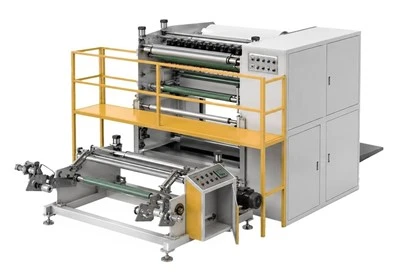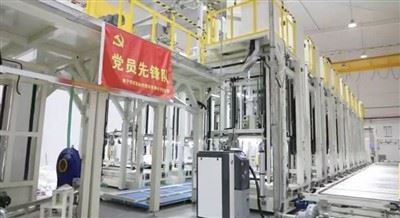
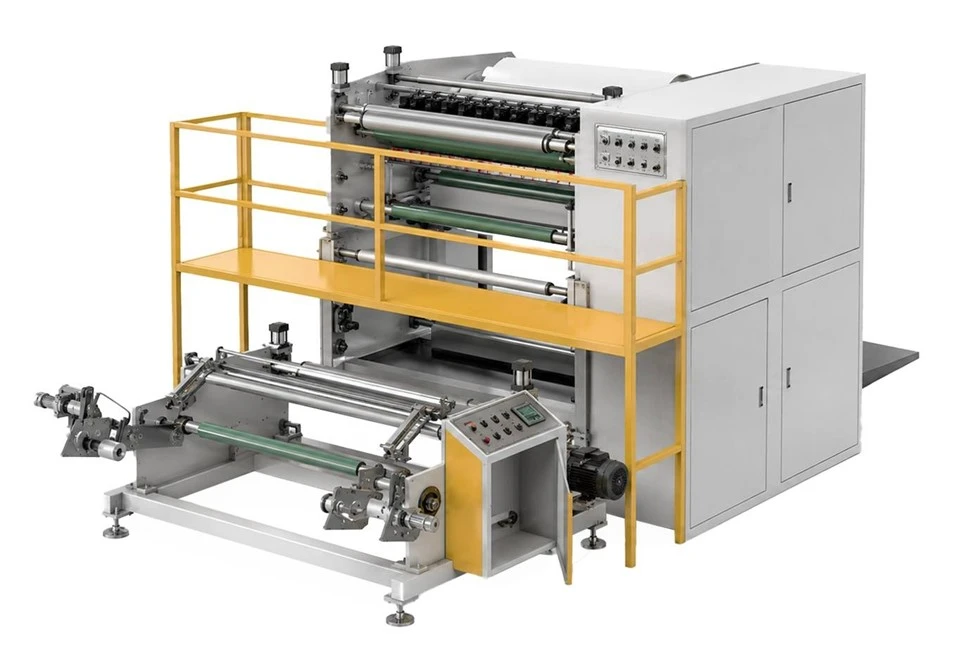
Convert Multiple SAP Sheet Lanes into Festooned Stacks
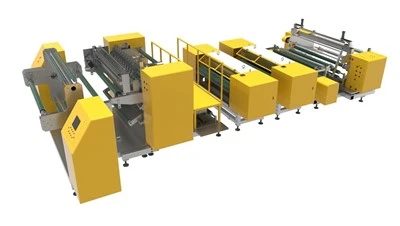
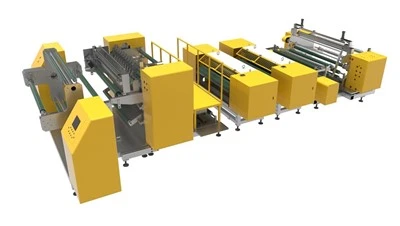
The 9-head SAP sheet online festoon line receives multiple SAP sheet lanes from a compatible upstream process and folds them into separate stacks. We configure the lane widths, web path, folding dimensions and stack format according to the buyer's SAP sheet specifications and upstream equipment.
From Wide Web or Multiple Lanes to Separate Stacks
Online Receiving
The line receives SAP sheet material according to the confirmed upstream web direction and operating conditions.
Lane Distribution
The incoming material lanes follow their assigned paths toward the corresponding festoon heads.
Web Guidance
Each lane is guided to maintain its required position before continuous folding.
Festoon Folding
Each output lane is folded back and forth according to the confirmed fold length.
Stack Collection
The folded lanes form separate stacks for handling, storage or downstream use.
Requirements for Parallel SAP Sheet Processing
Total Input Width
The total incoming web or lane arrangement determines the required machine width and material path.
Individual Lane Width
The width of each SAP sheet lane must match its assigned festoon head and finished stack.
Lane Arrangement
The number and position of active lanes affect web guidance and stack collection.
Material Consistency
Differences in thickness or web behavior between lanes must be identified during configuration.
Fold Length
The required fold length determines the finished stack dimensions for each output lane.
Stack Handling
The available operators and removal method affect the layout of the stack collection area.
Data Required for Each Output Lane
| Evaluation Item | Buyer Information Required | Configuration Impact |
|---|---|---|
| SAP Sheet Material | Structure, thickness, basis weight and surface condition | Defines suitable web handling conditions |
| Number of Lanes | Normal active lanes and required nine-head arrangement | Defines material routing and output layout |
| Lane Width | Required width of every output lane | Defines guiding and festoon head settings |
| Lane Spacing | Distance between lanes at the upstream discharge | Defines alignment between upstream and festoon sections |
| Operating Speed | Normal, maximum and startup speed conditions | Defines online coordination requirements |
| Fold and Stack | Fold length, stack dimensions and quantity basis | Defines the finished output format |
| Upstream Interface | Machine type, discharge height, direction and control signals | Defines the online connection arrangement |
Please provide a lane layout showing the total input width, individual lane widths, spacing and material direction at the upstream discharge point.
Conditions for Online Connection
Upstream Equipment Data
- Machine model and process description
- Total output width
- Individual slit or lane widths
- Discharge height and web direction
- Normal and maximum operating speeds
- Available operating and safety signals
Festoon Output Data
- Required fold length for each lane
- Target stack width and height
- Material quantity or length per stack
- Allowable differences between lanes
- Stack orientation and removal direction
- Operator access and handling method
Production Conditions to Confirm across Nine Heads
Web Width
Each output lane must remain within the agreed width range for its corresponding festoon head.
Web Direction
All lanes must enter their folding positions according to the confirmed material path.
Fold Dimensions
The required fold length and stack format must be defined for every active output lane.
Incoming Speed
The festoon line must coordinate with speed changes from the upstream production process.
Stack Completion
The required material length, quantity, weight or stack height basis must be confirmed.
Stack Removal
The production layout must provide enough space for operators or the confirmed transfer method.
Information Needed for a Line Proposal
Layout Review, Manufacturing and Commissioning
Lane Layout Review
We review the total input width, lane widths, spacing and required nine-head output arrangement.
Interface Planning
We confirm the upstream discharge conditions, web path, speed and available control signals.
Equipment Manufacturing
Our resources include CNC machining centers, lathes, drilling machines and milling machines.
Pre-Shipment Testing
We perform complete-machine testing before shipment and confirm project-specific inspection items.
Installation Support
Installation and commissioning support is arranged according to the confirmed project conditions.
Operator Training
Training covers material threading, lane adjustment, stack settings, changeover and routine maintenance.
Configure Nine Festoon Outputs for Your SAP Sheet Line
Send the SAP sheet data, lane layout, upstream machine information, required fold length, stack dimensions and operating conditions.
9-Head SAP Sheet Online Festoon Line FAQs
It receives multiple SAP sheet lanes from an upstream process and folds them into separate festoon stacks through nine output heads.
Please provide the required width for every output lane. Any differences between lanes must be evaluated during configuration.
Compatibility depends on the total output width, lane widths, spacing, discharge direction, operating speed, control signals and installation layout.
The required active-head combinations and material paths must be submitted during technical evaluation before the operating arrangement is confirmed.
The finished format depends on lane width, fold length, material thickness, required stack height and the stack removal method.
Please provide the SAP sheet structure, basis weight, thickness, tensile condition, surface characteristics and samples from the planned production material.
Please send the SAP sheet sample, total width, nine-lane layout, upstream equipment data, fold length, stack dimensions, target speed and destination country.
Hot Tags: 9 heads SAP sheet online festoon line, China 9 heads SAP sheet online festoon line manufacturers, suppliers, factory