Organize Converted Airlaid Paper into Controlled Stacks
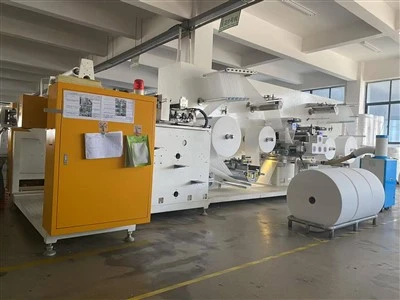
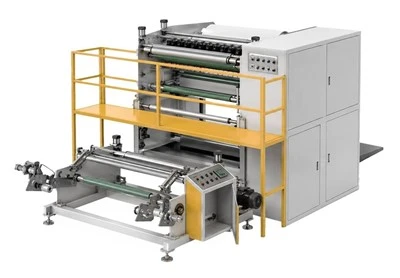
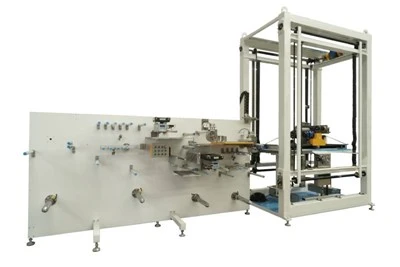
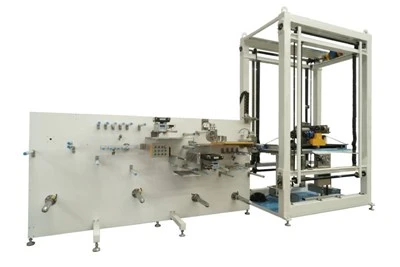
The airlaid paper stacker machine receives material from a compatible converting or folding process and organizes it into the required stack format. We configure the receiving conditions, stack dimensions, grouping basis and transfer method according to the buyer's airlaid paper and production workflow.
From Incoming Material to Finished Stack
Material Receiving
Converted airlaid paper enters the stacker from the confirmed upstream equipment and feeding direction.
Product Positioning
The incoming material is guided into the position required for organized stack formation.
Stack Formation
The material is collected according to the specified stack dimensions and grouping requirement.
Stack Transfer
The completed stack is moved or collected according to the agreed handling method.
Stacking Conditions That Must Be Confirmed
Incoming Format
The machine configuration depends on whether the upstream process supplies folded material, cut sheets or another agreed format.
Material Dimensions
The incoming width, length and thickness determine the required receiving and stacking range.
Basis Weight
The airlaid paper basis weight affects material handling and the physical condition of the finished stack.
Stack Quantity
The required grouping basis must be defined by material quantity, stack height, length or another specified condition.
Incoming Speed
The stacker must match the operating conditions and discharge rhythm of the upstream equipment.
Transfer Method
The finished stack can be planned around the buyer's manual handling or connected transfer requirement.
Information Required for Technical Evaluation
| Evaluation Item | Buyer Information Required | Configuration Impact |
|---|---|---|
| Airlaid Paper | Material type, basis weight, thickness and surface condition | Defines suitable receiving and stacking conditions |
| Incoming Product | Width, length, folding condition and material orientation | Defines positioning and collection requirements |
| Stack Size | Target width, length and height | Defines the finished stack format |
| Grouping Basis | Required quantity, length, weight or stack height | Defines how stack completion is determined |
| Upstream Equipment | Machine type, output speed, discharge height and direction | Defines the receiving interface |
| Stack Removal | Manual collection or connected transfer method | Defines the output arrangement |
| Factory Conditions | Layout, available space, power and air supply | Defines installation and utility requirements |
Videos of the upstream discharge process and samples of the incoming product help us evaluate the receiving interface and finished stack format.
Finished Stack Requirements
Stack Specification
- Target stack width and length
- Maximum required stack height
- Material quantity or length per stack
- Required stack orientation
- Allowable stack dimensional variation
- Finished stack stability requirements
Handling Specification
- Operator access to completed stacks
- Manual or connected stack removal
- Available transfer direction
- Required output height
- Packaging or downstream process
- Available collection area
Connecting the Stacker to Existing Equipment
Output Direction
The upstream discharge direction must align with the receiving position of the stacker.
Transfer Height
The discharge and receiving heights must support stable material transfer between both machines.
Operating Rhythm
The stacker configuration must match the incoming product frequency and upstream operating conditions.
Product Orientation
The direction and surface orientation of the incoming material affect finished stack formation.
Control Signals
Available start, stop, fault and status signals should be confirmed for coordinated operation.
Available Space
The layout must provide sufficient room for stack formation, removal, operation and maintenance.
Information Needed for a Stacker Proposal
Interface Review, Manufacturing and Commissioning
Product Evaluation
We review the incoming material sample, dimensions and required finished stack format.
Interface Confirmation
We confirm the upstream discharge conditions, receiving position and stack removal method.
Machine Manufacturing
Our resources include CNC machining centers, lathes, drilling machines and milling machines.
Pre-Shipment Testing
We perform complete-machine testing before shipment and confirm project-specific inspection items.
Installation Support
Installation and commissioning support is arranged according to the confirmed project conditions.
Operator Training
Training covers operation, stack adjustment, specification changes and routine maintenance.
Define the Required Airlaid Paper Stack Format
Send the incoming product sample, material data, upstream equipment information, required stack dimensions and stack removal method.
Airlaid Paper Stacker Machine FAQs
It receives converted airlaid paper from an upstream process and organizes the material into the required finished stack format.
A festoon machine folds a continuous web back and forth. A stacker focuses on receiving converted material and forming the required collection stack.
Please provide samples and operating information for the folded material, cut sheet or other format discharged by the upstream equipment.
The grouping basis must be defined during configuration. It may depend on the required material quantity, length, weight or finished stack height.
Compatibility depends on the product format, discharge speed, transfer height, feeding direction, available control signals and installation space.
The required range is evaluated against the incoming product dimensions, material thickness, stack height and removal method.
Please send the material sample, incoming dimensions, upstream machine data, required stack size, grouping basis, handling method and destination country.
Hot Tags: airlaid paper stacker machine, China airlaid paper stacker machine manufacturers, suppliers, factory