Single Unwinding With Two Finished-Roll Positions
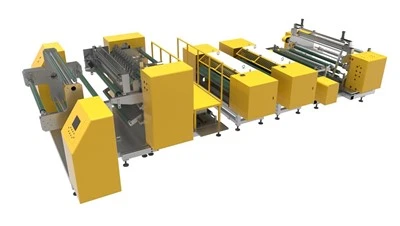
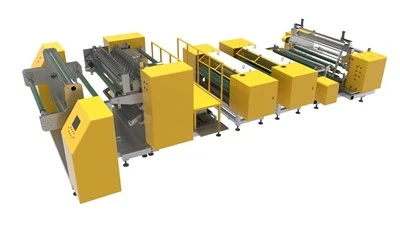
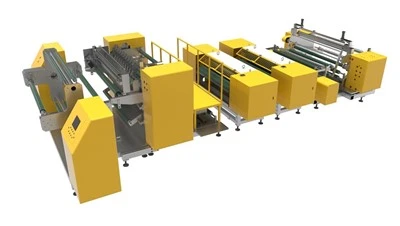
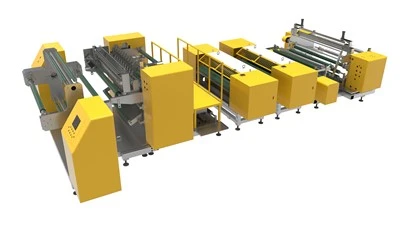
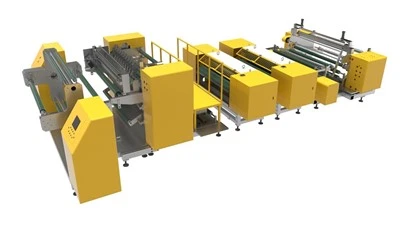
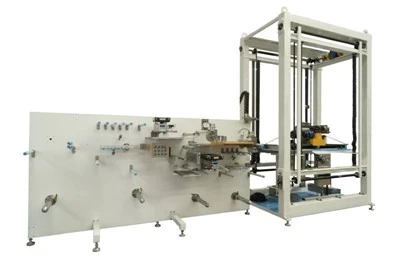
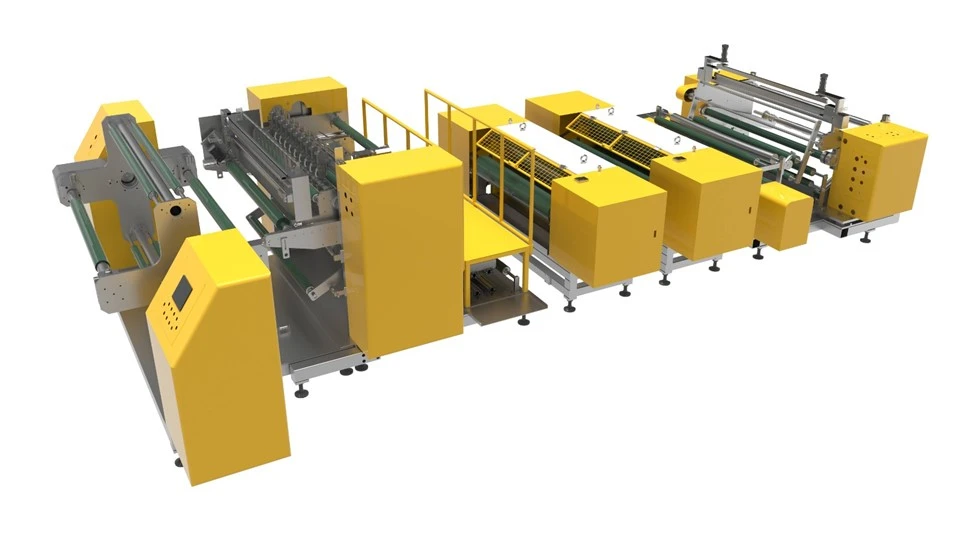
The 1600 single winding double rewinding embossing perforating machine processes one continuous parent material roll through the specified embossing and perforating stages, then collects the output at two rewinding positions.
The 1600 designation identifies this model's width class. The actual parent-roll width, usable processing width and two output-roll widths must be confirmed from the buyer's material and finished-product requirements before production.
Continuous Embossing, Perforating and Dual Rewinding
One Parent Material Roll
The material enters from one unwinding position configured around the specified width, diameter, core size, roll weight and winding direction.
Controlled Wide-Web Path
The material is guided through the machine according to its working width, thickness, flexibility and surface behavior.
Required Surface Pattern
The embossing section forms the approved pattern. Pattern drawings, dimensions or reference samples are required for evaluation.
Specified Hole Arrangement
The perforating section processes the web according to the confirmed hole shape, dimensions, spacing and distribution.
Two Material Output Paths
The processed web is directed to the two rewinding positions according to the approved output widths and web arrangement.
Two Finished-Roll Positions
Finished rolls are collected according to the confirmed width, diameter, core, winding direction and handling requirements.
Material Flow Through the 1600-Class Machine
Define the Actual Input and Output Widths
A 1600-class machine should not be selected from the model name alone. The required material width, effective processing area, unprocessed edges and two finished-roll widths affect the final machine configuration.
Provide a width-layout drawing showing the parent web and each finished roll before the equipment design is approved.
Required Width Information
- Full width of the parent material roll
- Minimum and maximum production widths
- Required embossing width and edge margins
- Required perforation width and position
- Width of the first finished roll
- Width of the second finished roll
- Edge-trimming or web-dividing requirements
- Permitted width variation for finished rolls
Specifications Required Before Manufacturing
| Machine Width Class | 1600-class model. Exact effective and maximum material widths are confirmed in the project specification. |
|---|---|
| Material Type | Provide the material name, structure, thickness or basis weight, flexibility and relevant surface characteristics. |
| Parent-Roll Width | Confirm the actual roll width and the complete range of widths planned for production. |
| Parent-Roll Dimensions | Provide the outside diameter, core size, roll weight and winding direction. |
| Embossing Pattern | Supply a dimensional drawing, artwork or physical sample of the required surface pattern. |
| Perforation Format | Define the hole shape, dimensions, spacing, distribution and required perforated area. |
| Output-Roll Widths | Confirm the width required at each rewinding position and any applicable width tolerance. |
| Web Division | State whether the parent web must be divided and provide the cut positions and edge requirements. |
| Production Speed | Provide the required normal and maximum operating speeds for the intended material. |
| Finished Rolls | Confirm the diameter, core size, weight, winding direction and unloading method for both output rolls. |
| Electrical Requirements | Confirm the destination-country power supply and applicable electrical requirements before manufacturing. |
When to Consider the 1600-Class Configuration
Suitable Production Requirements
- A wider parent roll requires continuous processing
- Embossing and perforating are required in one line
- Two finished-roll collection positions are required
- Output widths and roll formats are clearly defined
- The finished products remain in roll form
Conditions Requiring Further Evaluation
- The actual web width approaches the machine width limit
- Several output-width combinations are required
- The material stretches, curls or generates static electricity
- Embossing or perforation formats change frequently
- Automatic roll change or inline inspection is required
Support Throughout the Equipment Project
1600 Embossing Perforating Machine FAQ
The 1600 designation identifies the model's configured width class. Exact parent-roll width, effective processing width and permitted edge areas must be confirmed in the technical proposal.
The two positions collect the processed output according to the approved product arrangement. The relationship between the parent web and both finished rolls must be defined by the buyer.
Web slitting is not assumed without confirmation. If two narrower output rolls are required, provide their widths, cut positions, edge requirements and acceptable tolerances for evaluation.
Custom requirements can be evaluated from dimensional drawings, artwork or physical samples. Feasibility depends on the material, pattern details and perforation arrangement.
Different finished widths can be evaluated after the parent-web width, required output widths, edge arrangement and winding requirements are provided.
Send the material specification, parent-roll dimensions, embossing pattern, perforation format, two output widths, required speed, finished-roll details and electrical requirements.
Send Your Material and Width Arrangement
Provide the material specification, parent-roll dimensions, actual web width, embossing pattern, perforation format, two output widths, operating speed and finished-roll requirements. We will review the processing route and prepare a suitable proposal.
Request a 1600-Class Machine ProposalHot Tags: 1600 single winding double rewinding embossing perforating machine, China 1600 single winding double rewinding embossing perforating machine manufacturers, suppliers, factory